A Morocco road trip offers US and Canadian visitors an unusual combination: Atlantic beaches, imperial cities, mountain landscapes and small communities within one journey. A car makes that variety easier to experience, but long-haul travellers face practical questions that a short regional visitor may not. Licence formats, International Driving Permits, overnight arrival, card deposits, unfamiliar road signs and large luggage can all influence the correct booking. Solving those questions before the flight leaves more energy for the destination.
This guide provides a careful planning framework for travellers from the United States and Canada. Requirements vary by licence jurisdiction and can change, so verify current government advice and the rental company’s written conditions. US State Department information and Canadian travel guidance are useful starting points, while an IDP must be carried with the original valid licence rather than treated as a replacement. The guide then moves through vehicle selection, insurance, airport delivery, route design, safety, payments and returns.
Verify documents for your exact licence
American licences are issued by states and Canadian licences by provinces or territories, so a generic answer for every visitor can be misleading. Tell the rental company the exact issuing jurisdiction, licence language, driver age and intended category. Ask whether an International Driving Permit is required or strongly recommended and confirm the answer against current official travel guidance. If using an IDP, obtain it from an authorised issuer before departure and carry it with the original licence. Do not buy an unofficial online document that has no recognised status.
Every driver must be declared. The lead renter should carry the passport, licence and payment method required by the agreement, and additional drivers should bring the same relevant originals. Premium SUVs may require more driving experience or a higher minimum age. Check document expiration through the entire rental, not only the arrival day. Store secure copies separately in case of loss, but do not expect screenshots to replace originals. Ask for eligibility confirmation before paying a reservation amount, especially if the licence uses a non-Latin script or temporary format.
Design an arrival that recognises jet lag
Flights from North America often involve an overnight sector or connection. Fatigue changes judgement, reaction time and patience even when the traveller feels excited. If landing late, consider a nearby first night or a private transfer instead of immediately beginning a long self-drive route. For airport delivery, send the flight number, landing time and WhatsApp contact. Confirm the terminal meeting point, delay policy and who will identify the representative. Keep a data connection available because a missed message can turn a simple handover into an unnecessary search.
Choose an automatic transmission if manual driving is not already comfortable. Most North American drivers use automatics, and learning a clutch while adapting to a new country adds risk. Before leaving, set the map, understand the first turns and identify fuel type. Morocco drives on the right, which is familiar to American and Canadian visitors, but road behaviour, roundabouts, pedestrians and scooters may still differ. Plan a short, daylight first drive and allow the traveller who slept best to become the approved primary driver.
Fit the vehicle to international luggage
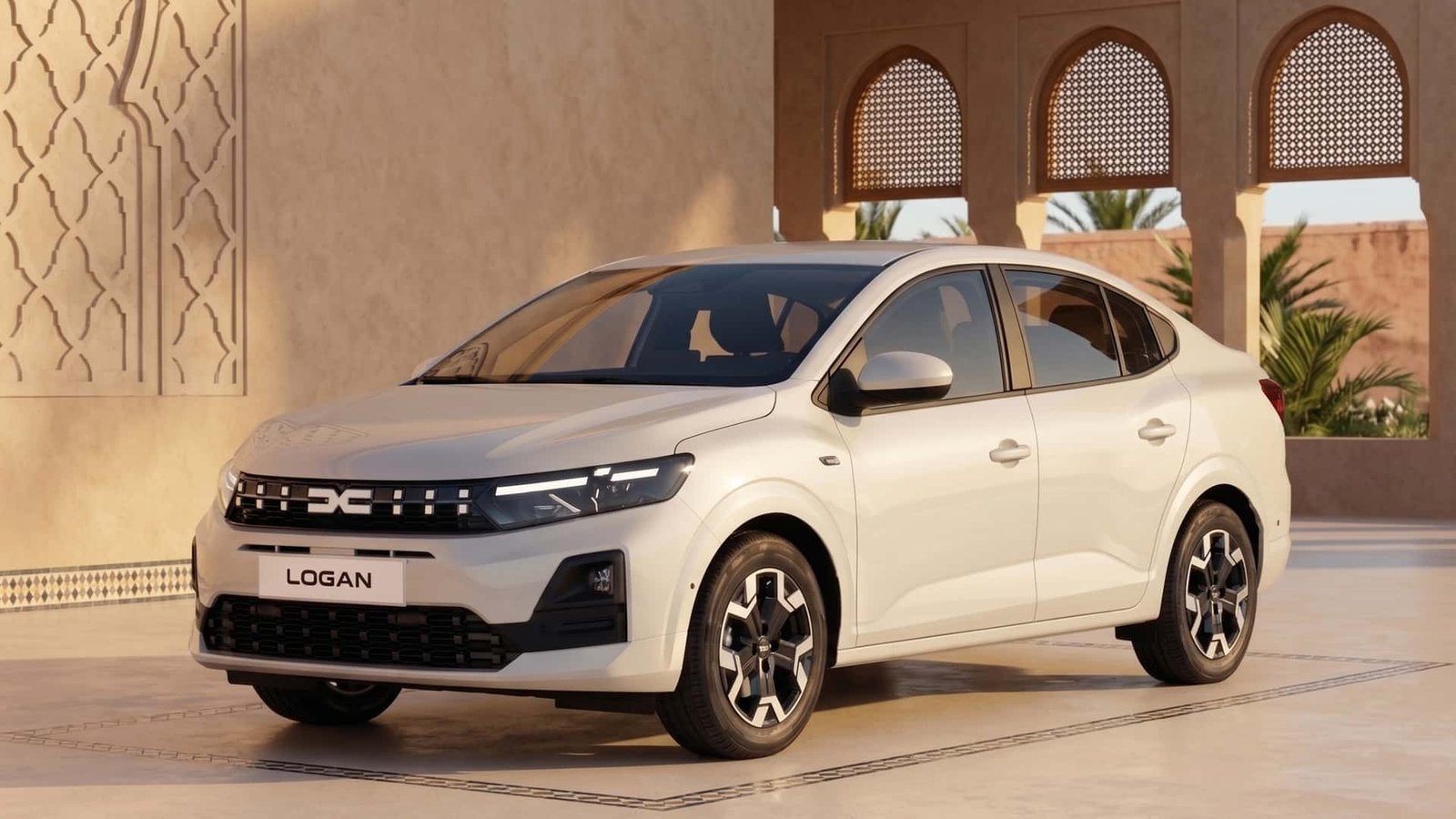
Long-haul travellers often arrive with larger cases than European weekend visitors. A compact car can seat four people but may not carry four large suitcases safely. Count bags, carry-ons, stroller, golf equipment or surf gear and send the information before confirmation. A Logan provides a separate boot, a Jogger adds family flexibility and premium SUVs provide more space at a higher price. Do not place loose luggage where it blocks visibility or becomes dangerous under braking. Ask whether rear seats must remain available throughout the trip.
A Clio, 208, Sandero or i20 can be ideal for two travellers because it is economical and easier to park. Large SUVs offer comfort on major roads, yet they are not automatic permission for off-road tracks. The rental agreement determines permitted use. Compare transmission, fuel, included kilometres, tyre arrangement and spare-wheel or assistance process. If several adults are touring for more than a week, choose comfort based on the longest travel day. Saving a small amount on the vehicle can feel expensive after hours with bags pressed against passengers.
Understand currency, cards and deposits
Request a quote in Moroccan dirhams and compare it using a current exchange rate. A USD or CAD estimate can move before settlement, while the dirham total provides the contractual reference. The quote should state rental days, delivery, return location, mileage, additional drivers, child seats and any late service. Ask which payment methods are accepted and whether the card must be in the lead driver’s name. Some North American debit cards behave differently abroad, so confirm rather than assuming.
A deposit is different from the rental amount. Ask how it is held, what can be deducted and when release normally begins after return. Your bank may continue showing a pending authorisation after the rental company releases it, so understand both timelines. Inform the card issuer about travel when needed and maintain sufficient available credit. Avoid sending card details in plain chat. Verify transfer recipients and keep receipts. A complete written offer protects against confusion caused by verbal currency conversion or an unfamiliar payment terminal.
Compare protection with existing benefits
Some premium US and Canadian cards advertise rental-car benefits, but geographic, vehicle-value and vehicle-type exclusions are common. Read the benefit guide and call the administrator with the country, dates and car category. Determine whether protection is primary, secondary or reimbursement after the renter pays. Ask the Moroccan rental company what coverage is included, the damage deductible, exclusions and incident procedure. Do not decline local protection merely because a card advertisement uses broad wording. Keep all contracts, inspection records and payment evidence.
Clarify tyres, glass, underbody, roof, theft, towing, keys and wrong fuel. Understand prohibited uses and geographic restrictions. A collision waiver is not permission for negligence, impaired driving, undeclared drivers or unauthorised roads. If something happens, move to safety when possible, contact emergency services or authorities as required and notify the assistance number. Take photographs and collect official documentation. Do not agree privately to repairs without the rental company. Good protection depends on following the process as well as buying the correct product.
Plan a Morocco route without North American distance habits
Visitors used to long highway days may underestimate slower roads, town traffic and scenic stops. A distance that looks ordinary in miles can take longer through mountains or busy approaches. Convert kilometres confidently, then build itineraries around experiences rather than maximum range. Agadir, Essaouira and Marrakech form a popular combination, but adding Casablanca, the desert and northern Morocco to a short holiday can create more driving than discovery. Use two-night stays and reserve flexibility for weather, traffic and places worth exploring slowly.
Download offline maps, yet question shortcuts onto narrow tracks. Ask accommodation providers about parking because medina streets may be pedestrian or difficult to reach. Refuel before remote stretches, carry water and plan daylight arrivals. Road conditions can change, so review current official advice close to travel. If the group wants to cover a long distance without assigning one person the responsibility, request private Ford Tourneo tourist transport with a driver. It is a different service, not a self-drive rental, and can be quoted for custom Morocco itineraries.
Use a thorough collection and return routine
Film the car at collection, including bumpers, doors, roof, wheels and glass. Match existing damage to the condition form. Check the odometer, fuel, warning lights, air conditioning, seat belts and child seat. Ask for help with controls and save the assistance contact. Verify that the fuel type is unmistakable. If the car differs from the agreed category, discuss luggage and price before accepting it. A written record is especially useful when the renter will be thousands of kilometres from home after returning.
Confirm the return location, fuel policy and timing before the last day. Allow enough time for traffic, inspection and airport check-in. Photograph the returned condition, fuel and odometer, remove every item, and obtain confirmation of handover. Ask about deposit release without assuming it will disappear from the card immediately. If a flight schedule changes, communicate early. Never abandon the car or pass keys to an unverified person. The final half hour deserves the same organisation as the first collection.
Create one clear cross-border booking conversation
Send dates, airports, flight numbers, pickup and return points, driver jurisdictions and ages, passenger count, luggage, preferred transmission and an outline route. Ask for the vehicle, total in MAD, deposit, mileage, protection, fuel, one-way fee, cancellation and assistance process. Save the answer for offline access. If English is preferred, say so; Atlas Route Mobility can assist in English, French and Arabic. A structured conversation reduces misunderstandings across time zones and makes comparison easier.
The website form requires only a phone or WhatsApp number, so travellers can begin even before dates are final. Cars are self-drive for eligible customers and can support approved travel across Morocco; scooters remain within Agadir; the Ford Tourneo is available only as professional-driver transport. Search visibility can introduce visitors to the service, but the final decision should come from accurate information, responsive communication and a vehicle that genuinely fits the journey. Confirm every current rule again before leaving the United States or Canada.
Useful official travel sources
We use authoritative destination information and encourage every traveller to confirm current rules and conditions relevant to their own journey.
US Department of State — Morocco travel information ↗Government of Canada — International Driving Permit ↗Government of Canada — Morocco travel advice ↗