Morocco is close enough to the United Kingdom for a short flight yet different enough to make a self-drive holiday feel like a genuine adventure. A rental car can connect Agadir’s beaches with Essaouira, Marrakech and smaller places that are awkward to combine on a fixed timetable. British travellers should prepare carefully because familiar habits change immediately: traffic keeps to the right, distances are shown in kilometres, road conditions vary and current document advice must be checked before departure. A little preparation turns those differences into manageable details rather than stressful surprises.
This guide is written specifically for visitors travelling on a UK licence. It summarises practical planning, not legal advice. The UK government’s Morocco travel guidance currently tells travellers to take a 1968 International Driving Permit as well as a UK driving licence, but official requirements can change and individual rental conditions may be stricter. Check the latest government page close to travel, carry original documents and ask the rental company to pre-check eligibility. The remaining sections cover the vehicle, quote, insurance, handover, routes and return.
Check the latest UK document advice
Start with the official UK foreign travel advice for Morocco rather than a social-media comment written years ago. At the time this guide was updated, it says a 1968 International Driving Permit is required alongside a UK driving licence. An IDP is a supporting document and does not replace the original licence. Confirm where and how it can currently be obtained, how long it remains valid and whether every driver needs one. Carry your passport and any additional identity or address information requested in the confirmed rental terms.
Send the licence country, driver age and category choice for a pre-check before paying. A compact model may have different minimum-age rules from an Audi Q8, Volkswagen Touareg or Range Rover Sport. Every person who may drive must be named and approved. A spouse or friend cannot simply take a turn because they are insured to drive another car in Britain. Keep secure copies of documents, but bring originals to collection. If an official rule and a blog disagree, follow the current official requirement and the signed agreement.
Prepare for driving on the right
British drivers often adapt quickly, but the first junction after a flight deserves concentration. Choose an automatic if changing gear with the right hand would add unnecessary workload. Before moving, adjust the seat and mirrors, identify the indicators and wipers, and set navigation. Say “keep right” aloud after a quiet fuel stop or when leaving a one-way street, because those are the moments when habit can return. At roundabouts and intersections, use road markings and signs rather than assuming the rules feel identical to Britain.
Distances and speeds are metric, so become comfortable with kilometres before departure. Leave generous following space, especially when road users change pace unexpectedly. Expect scooters, bicycles, pedestrians and animals, including outside places where you would normally anticipate them in the UK. Do not copy an impatient driver. If a manoeuvre feels unclear, slow down safely and wait. Plan the first accommodation within a comfortable distance of the airport, particularly after an evening arrival. Confidence grows more reliably through an easy first drive than an ambitious night crossing.
Choose a car that suits a British fly-drive holiday
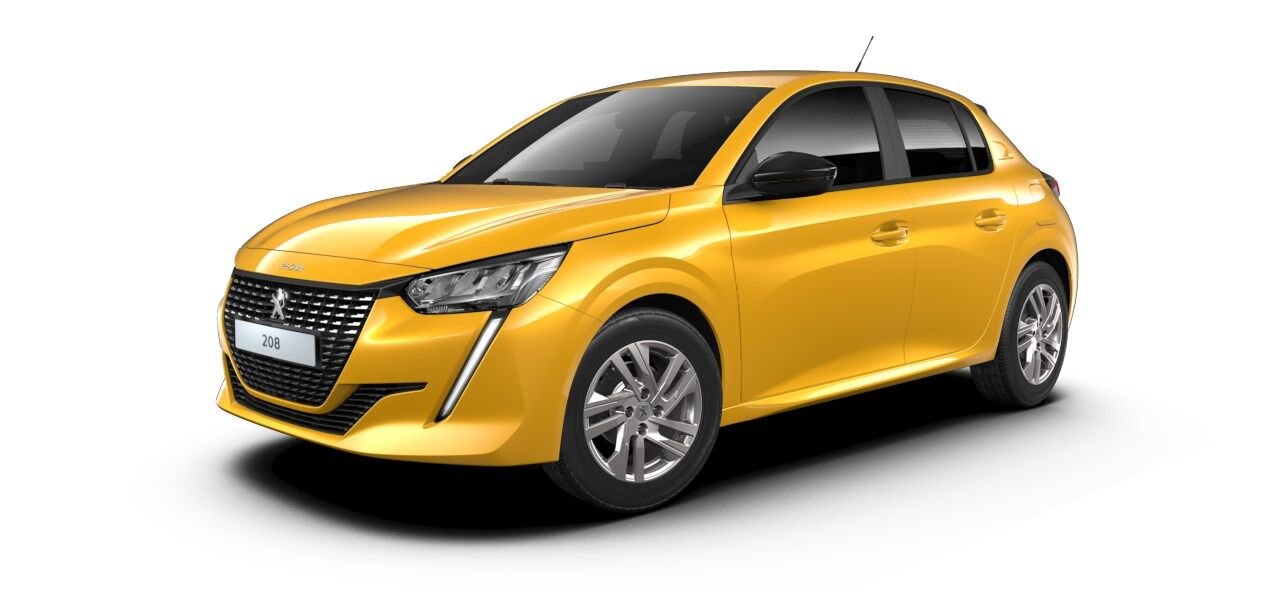
Airline baggage allowances influence the correct car. Two travellers with cabin bags may be happy in a Clio 5, Clio 6, Peugeot 208, Hyundai i20 or Sandero. A Logan’s separate boot can hide luggage, while a Jogger better suits families carrying larger cases and a pushchair. Count the actual items rather than selecting by the published seat number. Five seats do not guarantee comfortable space for five people and five hard-shell suitcases. Send bag dimensions when the choice is close.
Premium SUVs provide space and comfort on longer journeys but cost more to rent, fuel and park. A Prado may appeal for a spacious touring experience, yet normal rental terms still restrict off-road use. Do not interpret four-wheel-drive styling as permission to follow any track suggested online. Ask for the transmission, fuel, included distance and exact model or equivalent class. If you are touring cities with narrow parking, a smaller car can create more freedom than a larger status vehicle. Match the category to the most common day, not one photograph.
Compare the total in dirhams
Ask for the complete price in Moroccan dirhams and note the exchange rate used by your bank. The quote should include the number of rental days, airport or hotel delivery, mileage conditions, additional drivers, child seats, one-way return and late collection. A website’s starting rate is not the final amount for every season. Compare totals with the same dates and inclusions. A very cheap headline may become expensive when essential delivery, sensible distance or protection is added later.
Confirm the deposit amount and method separately. A deposit may be secured rather than charged as an ordinary purchase, and release timing can depend on the payment provider. Ask whether cash, card or transfer is accepted for the rental amount and whether any card must be in the lead driver’s name. Tell your bank about travel when appropriate, keep receipts and avoid public Wi-Fi for sensitive payments. Never transfer funds to an unrelated person without verifying the business contact and written reservation details.
Read insurance wording with care
British customers may recognise terms such as excess, collision damage waiver and theft protection, but local contracts can define them differently. Ask for the damage responsibility amount, exclusions and required incident procedure. Clarify tyres, glass, underbody, roof, lost keys, wrong fuel and roadside assistance. “Full coverage” is not useful unless the written conditions explain what is covered, what remains payable and which actions invalidate protection. Keep the document available during the trip and give every approved driver the assistance number.
Do not assume travel insurance or a UK credit-card benefit automatically covers the rental. Read the policy, vehicle-value limits, country restrictions and claim procedure. Some reimbursement products require the renter to pay the rental company first, then claim later with extensive documents. If an incident occurs, protect people first, contact the relevant authorities when required and notify the rental company promptly. Take photographs and keep reports. Never organise repairs or continue after a serious warning without instructions.
Plan routes around daylight and realistic distances
Morocco can look compact on a map, but mountain roads, town traffic and scenic stops extend travel time. Agadir to Essaouira makes a natural Atlantic journey; Marrakech introduces a very different city experience. A loop becomes enjoyable when it includes nights to rest, not when every day is a race between check-in desks. Download offline maps and compare routes, but prefer paved main roads. Ask accommodation hosts about accessible parking because medina addresses can lead to pedestrian lanes where a car cannot reach the door.
Official UK advice highlights road hazards and the extra risk of driving at night, particularly outside towns. Plan to arrive before dark when possible. Refuel before remote stretches, carry water and keep the telephone charged. Weather can alter mountain conditions, so ask locally and change the plan if needed. The rental gives independence, not an obligation to complete every planned kilometre. If no one in the group wants to drive a long transfer, a Ford Tourneo with a professional driver may be the calmer alternative.
Collect and return with evidence
At collection, film the exterior, wheels, glass and roof, then check the interior, fuel level and odometer. Make sure existing marks appear on the condition record. Test the air conditioning, lights, washers and seat belts. Ask about unfamiliar controls and save the emergency contact. This is not distrust; it is a shared record that helps both sides. If the representative promises a repair, accessory or different return instruction, request the detail in writing so it remains clear after the holiday begins.
For return, agree on the exact location and time, refuel according to policy and allow more margin than a normal UK airport drop-off. Remove belongings, photograph the gauge and condition, and complete a joint inspection when possible. Obtain confirmation of return and ask when the deposit should be released. If a flight changes, tell the company early. Leaving keys or the vehicle somewhere unapproved can create security and financial problems, even when you are rushing to check in.
Send a booking request that gets a useful answer
Include arrival airport, flight number, collection date and time, return point, passenger count, bag count, preferred transmission, driver ages and a simple itinerary. Mention child seats and whether you want a compact, family or premium vehicle. Ask for the total price, deposit, mileage, fuel, insurance excess, additional-driver cost and cancellation conditions. One complete message is easier to answer accurately than a chain of short questions that omits the route or luggage.
Atlas Route Mobility accepts availability requests on WhatsApp at +212 661 46 77 93, and only the phone number is required in the website form. Cars are provided as self-drive rentals to approved drivers, scooters are limited to Agadir, and the Ford Tourneo is a chauffeur service rather than a rental vehicle. No page can guarantee first position in Google or replace current official advice, but clear information and transparent service help travellers make a confident decision before flying from the UK.
Useful official travel sources
We use authoritative destination information and encourage every traveller to confirm current rules and conditions relevant to their own journey.
UK Government — Morocco safety and road travel advice ↗Moroccan National Tourist Office — getting to Morocco ↗