A family road trip can be one of the most rewarding ways to experience Morocco. Parents can carry the things children actually need, stop when energy changes and connect beaches, cities and countryside without rebuilding the day around a fixed timetable. The same freedom makes poor planning more visible. A car that looks large in a photograph may not fit a pushchair and suitcases with every seat in use, an ambitious route can turn children’s holiday time into long hours of driving, and a child seat requested at the airport may not be the correct size.
This guide approaches family car rental as a complete travel decision. It explains passenger and luggage calculations, child-seat communication, comfortable route design, airport collection, food and rest stops, protection questions and returns. It also helps families compare self-drive with chauffeured Ford Tourneo transport. The purpose is not to promise that one vehicle fits everyone; it is to help parents share enough information for a safe recommendation and understand every important condition before the family arrives in Morocco.
Count people, seats and bags separately
Begin with adults, children, child seats and luggage as four separate lists. A five-seat vehicle does not necessarily work for two adults, three children, two bulky seats, a stroller and five bags. Child seats can change how comfortably rear passengers fit, while a pushchair can consume much of a compact boot. Send approximate suitcase sizes and describe sports equipment. If the youngest child still needs a travel cot, decide whether the accommodation supplies one instead of automatically adding it to the car. Honest measurements prevent an airport repacking puzzle.
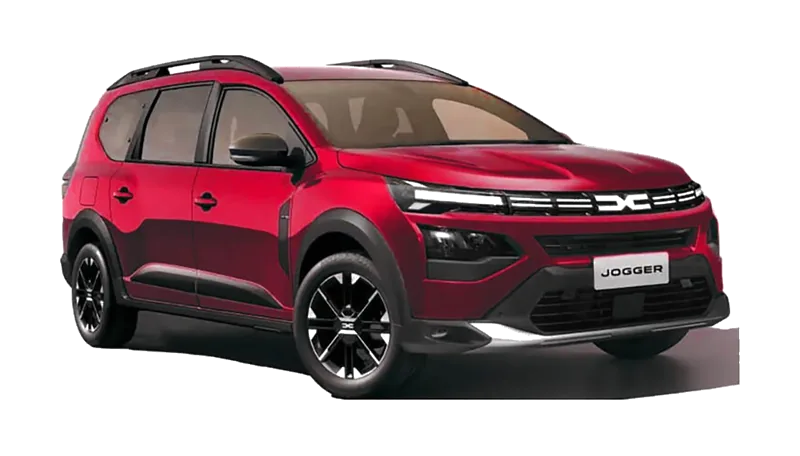
A Logan may suit parents who value a separate boot, while a Sandero, Clio or 208 works for a smaller family travelling light. A Dacia Jogger gives more flexible seating and luggage arrangements. Premium SUVs offer greater comfort but do not create unlimited space when every seat is occupied. Ask for a realistic capacity recommendation, not only the advertised maximum. Never plan for bags on laps or stacked above the seat line. Secure storage improves visibility, comfort and safety during sudden braking.
Request the right child restraint early
Tell the rental company each child’s age, approximate height and weight, then ask what restraint is available and how it is installed. A message that says only “one baby seat” can be too vague. Availability and local legal requirements should be confirmed before travel. Parents who bring their own restraint should check airline transport rules, compatibility and whether they understand installation in the booked vehicle. At collection, inspect the seat condition and secure it before loading all luggage around it.
Do not allow schedule pressure to turn installation into guesswork. Ask the representative for assistance but verify the manufacturer’s guidance where possible. Children should use the appropriate seating position and restraint throughout the journey, including short hotel transfers. Bring a washable cover or cloth for hot weather without adding unsafe padding. If a particular model is essential, confirm it in writing or travel with a familiar approved seat. The correct restraint is a core booking requirement, not a minor accessory to discuss after arrival.
Choose comfort for the longest day
A small car can be excellent in cities and still feel crowded during a four-hour travel day. Compare legroom, rear ventilation, charging points and luggage access with the route. Automatic transmission can reduce driver fatigue in unfamiliar traffic. Air conditioning is important for warm periods, so test it during handover. Older children may value a little separation more than adults expect. If the budget allows, choosing one category above the minimum physical fit can make every transfer quieter and help the driver concentrate.
Balance comfort with parking. Large SUVs and seven-seat vehicles need more space near medinas, restaurants and apartments. Ask hosts where family-sized vehicles can park and whether the accommodation entrance is reachable by car. Sometimes a compact car plus careful packing is better than a premium model; sometimes the family’s luggage makes the larger category essential. Compare the total cost including fuel rather than the daily rate alone. The correct choice reduces both arguments inside the car and stress outside it.
Build a child-friendly Morocco itinerary
Plan around two or three meaningful bases instead of changing beds every night. Agadir offers beach time and familiar holiday services, Essaouira provides a walkable medina and Atlantic atmosphere, and Marrakech brings intense city energy. The drive between them should be part of the experience, with planned rest, food and toilet stops. Give children time to swim, play and process a new environment. An itinerary that looks efficient on a map can feel exhausting when every morning involves repacking.
Keep daily distances modest and arrive before dark when possible. Mountain roads and city approaches can take longer than expected. Download offline maps but use main paved routes unless the agreement permits something different. Carry water, simple snacks, wipes, rubbish bags and a change of clothes where they are reachable rather than buried. Do not leave children or pets in a parked vehicle. Build one flexible day into a longer trip so illness, weather or an unexpectedly loved place does not ruin the entire schedule.
Make airport handover calm for everyone
Send the flight number and a working WhatsApp contact, then agree on a clear meeting point. After landing, one adult can communicate with the rental representative while another manages children and baggage. Verify the vehicle and install restraints before the group becomes impatient. Film the exterior, record existing damage, check fuel and test air conditioning. Make sure bags fit without compromising visibility. If the confirmed car does not fit the agreed family details, raise the issue before accepting the keys.
Keep passports and licences secure during the inspection rather than placing them on the roof or seat. Every driver must be approved and should understand the assistance process. Set navigation and organise water before moving. If the flight arrives late and the driver is exhausted, use a nearby first night rather than forcing the planned distance. The holiday begins with the handover, and a slower thirty minutes can prevent hours of discomfort or an unsafe start.
Understand the quote and family extras
Ask for the total rental amount, deposit, delivery, mileage, additional drivers, child seats and one-way return. Family travel often changes, so read cancellation and date-change conditions. Confirm whether the vehicle category or exact model is guaranteed and what an equivalent replacement must provide. If a seat or accessory carries a daily fee, include it in the comparison from the beginning. A lower vehicle rate may not remain lower after every necessary extra is added.
Discuss insurance in specific terms: deductible, theft, tyres, glass, roadside assistance, keys and excluded uses. Declare all drivers and follow the authorised routes. Travel insurance may cover family health and disruption without covering rental-car damage, so read policies separately. Keep the rental contract and emergency contact available offline. In an incident, move the family to a safe place, contact the relevant services and inform the company. Do not let an unfamiliar warning light become a roadside emergency through delay.
Compare self-drive with private family transport
Self-drive works well when an adult enjoys driving, the itinerary includes local exploration and the family values independence. It also means one parent remains responsible for navigation, parking and road concentration. Chauffeured transport can suit grandparents, larger families, nervous drivers or groups making a long airport-to-city transfer. With a professional driver, every adult can focus on children and scenery. Compare the complete service, not only fuel and rental price, because responsibility and rest have value.
Atlas Route Mobility’s Ford Tourneo 2026 is offered only as tourist transport with a driver. It is not a self-drive rental. Send passenger number, child-seat needs and every bag when requesting a quote, because eight seats do not automatically mean eight large suitcases. For a multi-city service, share a day-by-day route, accommodation access and expected waiting. Families can also mix products: use private transport for a demanding transfer and rent a smaller self-drive car for relaxed days from one base.
Finish with an organised return
Pack the night before an airport return and search under seats, in door pockets and around the child restraints. Confirm the meeting point, allow for traffic and refuel according to the agreement. Photograph the exterior, fuel and odometer after parking. Remove seats and luggage carefully without marking trim, then complete a joint inspection when possible. Obtain return confirmation and ask about deposit release. The airport schedule should include this process rather than treating the car like an instant drop-off.
A helpful availability message includes dates, flight, collection and return, adults, children, ages, luggage, stroller, child seats, transmission and approximate route. Only the telephone number is required in the website form, so families can begin with incomplete plans and refine them directly. Clear information lets the team recommend a Logan, Sandero, Jogger, compact hatchback, premium SUV or driver service based on the family’s real trip. A confident booking comes from fit and transparency, not from the largest vehicle photograph.
Useful official travel sources
We use authoritative destination information and encourage every traveller to confirm current rules and conditions relevant to their own journey.
Moroccan National Tourist Office — Agadir and Taghazout ↗Moroccan National Tourist Office — getting to Morocco ↗